Roof Repair · Wesley, AR
The company works on roofs that are already in place rather than pushing complete replacements. Crews record conditions and repairs so property records stay accurate over time.
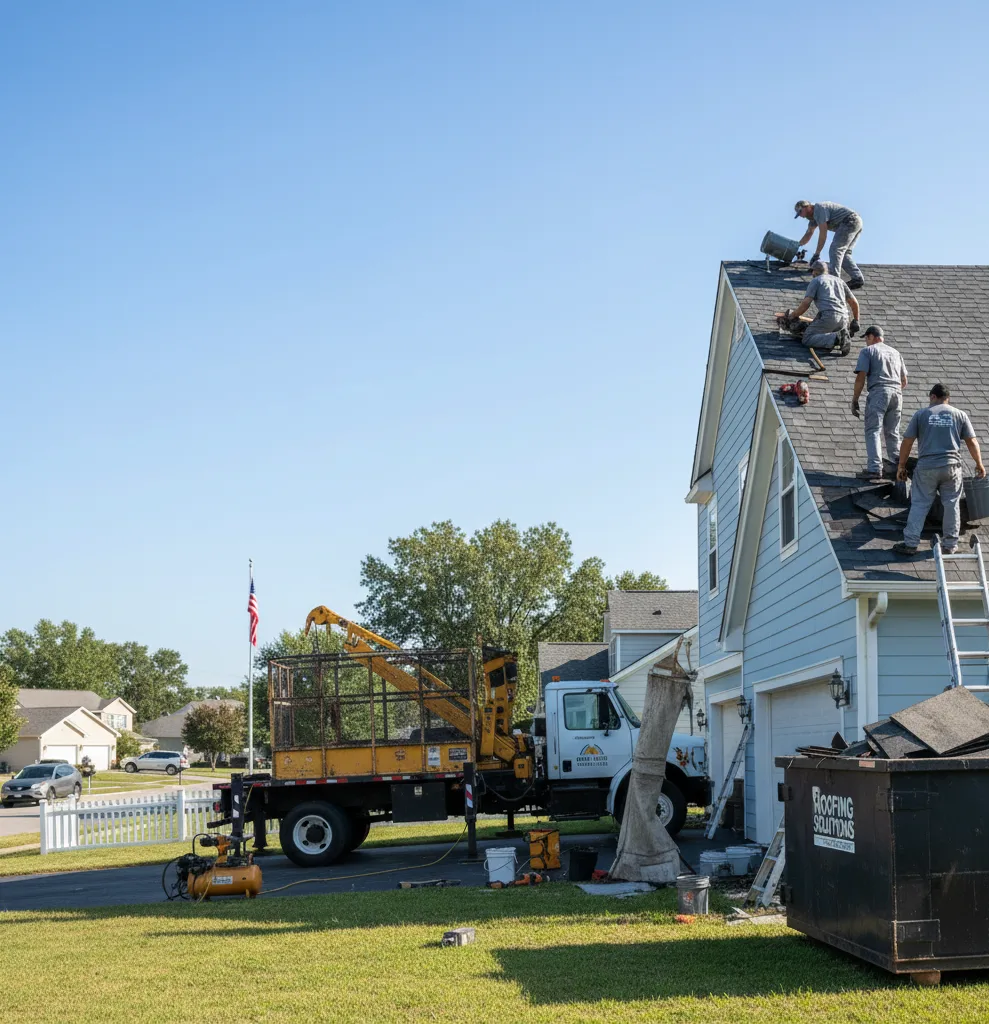
Water stains on ceiling tiles or interior walls often point to the need for roof leak repair rather than a single puncture. On low-slope roofs common in Wesley, standing water after storms can soften insulation and eventually reach the deck. A visual check from the ground may miss raised edges or deteriorated sealants around HVAC curbs. Inside the building, recurring musty smells near roof access points can indicate hidden moisture that has not yet dripped through. Property managers sometimes notice higher energy bills when wet insulation loses its R-value. Walking the roof surface reveals soft spots that give underfoot, showing where the substrate has begun to degrade. Checking the condition of edge metal and counterflashing helps locate areas where wind-driven rain has worked its way under the membrane.
Age-related shrinkage of single-ply membranes pulls seams apart, especially where the original installation used narrow overlaps. Thermal movement around penetrations cracks the sealant that was applied years earlier. Debris buildup at drains and scuppers keeps water on the surface longer than the roof was designed to handle. In areas with wide temperature swings, repeated expansion and contraction stresses fasteners and plates until they loosen. Previous repair patches that were not fully adhered can trap moisture underneath and create new leaks nearby. A thorough review of the roof's history, including any past coatings or overlay work, shows whether the current system is still within its expected service life or has already been extended beyond it.
The ground conditions, weather patterns, and other factors around Wesley shape the demands placed on commercial roofs over time. The type of soil under a building can affect long-term stability of the roof structure. The ground in Wesley consists of clay loam.
Weather exposure plays a direct role in how quickly roofing materials wear and when repairs become necessary. The area sees warm summers and cold winters, around 13 inches of snow a year, and 65 nights below freezing. Regular inspections help address wear before it leads to leaks or structural concerns on commercial buildings.
Frequent issues include a real freeze risk each winter. These conditions require careful attention during roof repair work to maintain the integrity of the building envelope.
FAQ
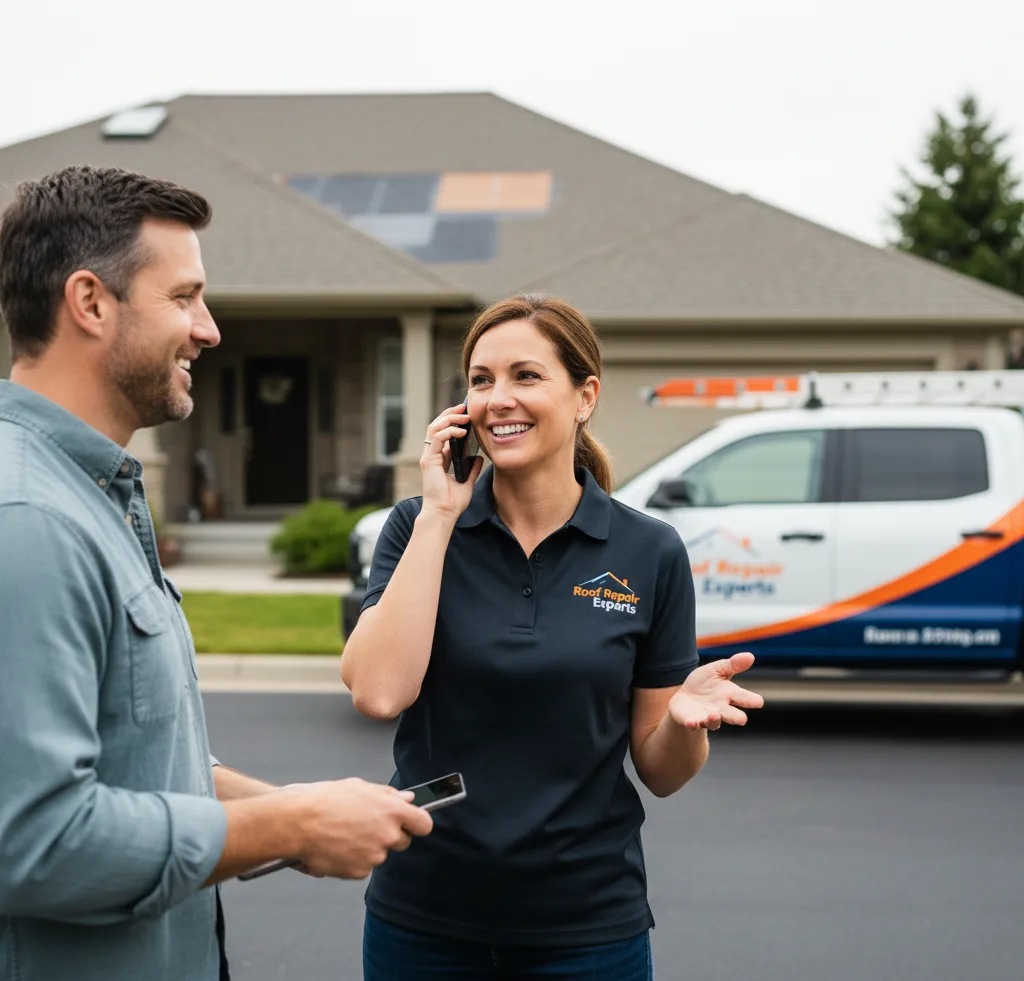
Small sealant touch-ups on accessible flashing are sometimes done by owners, but any work above single-story height introduces fall risks and potential warranty issues on the existing roof. Professional crews carry the proper safety equipment and know how to avoid disturbing sound sections while accessing the problem area. A quick assessment can clarify whether the situation requires immediate professional attention or can wait for scheduled maintenance.
A surface patch can stop immediate entry but does not always address the path water took to reach that point. An inspection often includes checking the decking beneath the shingles and the condition of nearby flashing. If the underlayment has deteriorated or the leak has traveled along rafters, additional sections may need attention to prevent recurrence in adjacent areas.
Material compatibility, fastening patterns, and sealant choice all play a role in how the repaired area holds up over time. Matching the existing underlayment type and ensuring proper overlap at seams reduces the chance of new entry points forming nearby. Weather exposure after the work also influences longevity, particularly on slopes that receive direct sun or prevailing wind.